Card Template R20 Card Cut File SVG
As an embroidery designer and product reviewer, I’ve seen my fair share of digital files that promise a lot but deliver little. The Card Template R20 Card Cut File SVG is one that caught my attention for its elegant floral wreath design and potential in handmade projects. But before I recommend it to clients or use it in my own work, I need to evaluate how it performs in real-world embroidery situations.
First Impressions: A Delicate Design with Potential
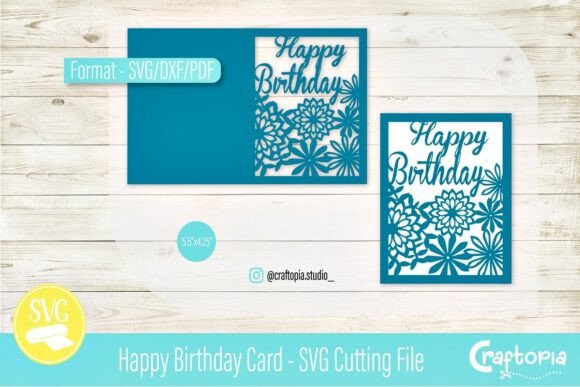
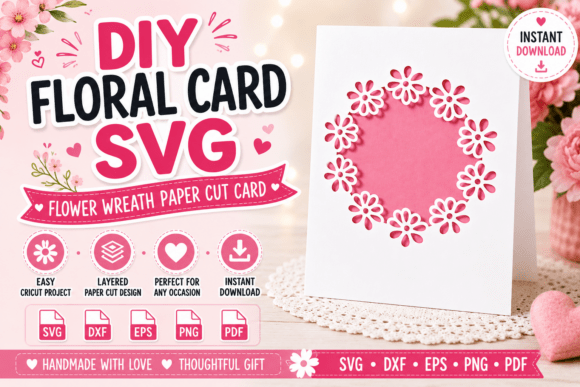
The Card Template R20 Card Cut File SVG immediately conveys a sense of refinement. Its delicate floral wreath has a soft, paper-cut aesthetic that feels both timeless and modern. The layout is clean, with a balanced composition that makes it ideal for greeting cards, but it also hints at broader applications in embroidery. The level of detail is impressive—each petal and leaf is distinct enough to stand out without being overwhelming.
This design would naturally fit into projects that require a touch of elegance, like personalized gifts, boutique merchandise, or holiday decorations. It’s the kind of file that could elevate a simple tote bag or a custom sweatshirt from ordinary to something memorable.
Real-World Embroidery Performance
When I tested the Card Template R20 Card Cut File SVG on different fabrics, I noticed that it works best on medium-weight materials. On thin or stretchy fabrics, the design can appear slightly distorted, especially around the intricate details. For best results, I recommend using a stabilizer to prevent puckering or shifting during stitching.
On custom apparel like t-shirts and sweatshirts, the design holds up well, though the stitch density may need adjustment depending on the fabric texture. If you’re planning to embroider baby clothes or delicate items, be cautious with the fill stitches—too much density can make the fabric stiff or uncomfortable.
For embroidered patches, the design translates nicely, but I found that some areas needed slight modifications to ensure clarity. Tiny lettering or decorative accents might not show up as clearly as expected, so it’s worth testing on scrap fabric before committing to a final project.
Where to Use With Caution
While the Card Template R20 Card Cut File SVG is versatile, there are certain scenarios where it requires extra care. Small hoop sizes can limit the design’s full impact, making it difficult to capture all the details. Similarly, curved surfaces like caps or hats may cause the design to stretch or distort if not properly adjusted.
On dark fabrics, the contrast between the thread colors and the background becomes critical. If the design uses light-colored threads, it may not stand out as intended. I recommend testing it on both light and dark backgrounds to see how it looks in different contexts.
For commercial embroidery projects, especially those involving frequent washing, it’s important to check the durability of the design. Some areas may require additional reinforcement, particularly if they’ll be subjected to heavy use or repeated laundering.
Impact on Visual Appeal and Customer Perception
The Card Template R20 Card Cut File SVG adds a refined visual element to any finished product. When stitched correctly, it can significantly boost the perceived value of a handmade item, making it more appealing to customers who appreciate quality and craftsmanship.
For small shop products or Etsy listings, this design can help build brand consistency and create a cohesive look across different items. It also enhances giftability—people love receiving personalized items that feel thoughtfully made. Whether it’s a holiday gift or a custom piece for a client, the design contributes to a professional and polished appearance.
From a buyer engagement perspective, the design’s elegance can drive interest and increase the likelihood of repeat purchases. It’s the kind of file that stands out in a crowded marketplace, especially when paired with strong marketing and high-quality mockups.
Practical Designer Notes
Before using the Card Template R20 Card Cut File SVG in any project, I always recommend testing it on scrap fabric. This helps identify any issues with stitch density, thread color contrast, or fabric compatibility. If you’re using it for commercial purposes, double-check the licensing terms to ensure you’re allowed to sell finished products or digital files based on the design.
When working with applique designs or satin stitches, pay close attention to how the design interacts with the fabric. For intricate details, consider adjusting the stitch direction or adding running stitches to enhance visibility. Also, keep in mind that some areas of the design may require additional stabilization to maintain their shape over time.
If you’re creating printable mockups or digital product previews, make sure the design scales well and retains its clarity at different sizes. This is especially important for online listings, where the image is often the first thing a customer sees.
Conclusion: A Versatile Design with Thoughtful Applications
The Card Template R20 Card Cut File SVG is a solid choice for designers looking to add a touch of elegance to their embroidery projects. Its delicate floral wreath design is both beautiful and functional, offering a range of possibilities for handmade products, personalized gifts, and commercial use.
With proper testing and adjustments, this design can become a valuable asset in your creative toolkit. Whether you’re crafting for a small business, a craft fair, or an Etsy shop, the Card Template R20 Card Cut File SVG has the potential to elevate your work and attract discerning customers who appreciate quality and style.